










Britain’s air traffic control system behind airport chaos may be 'unfixable'

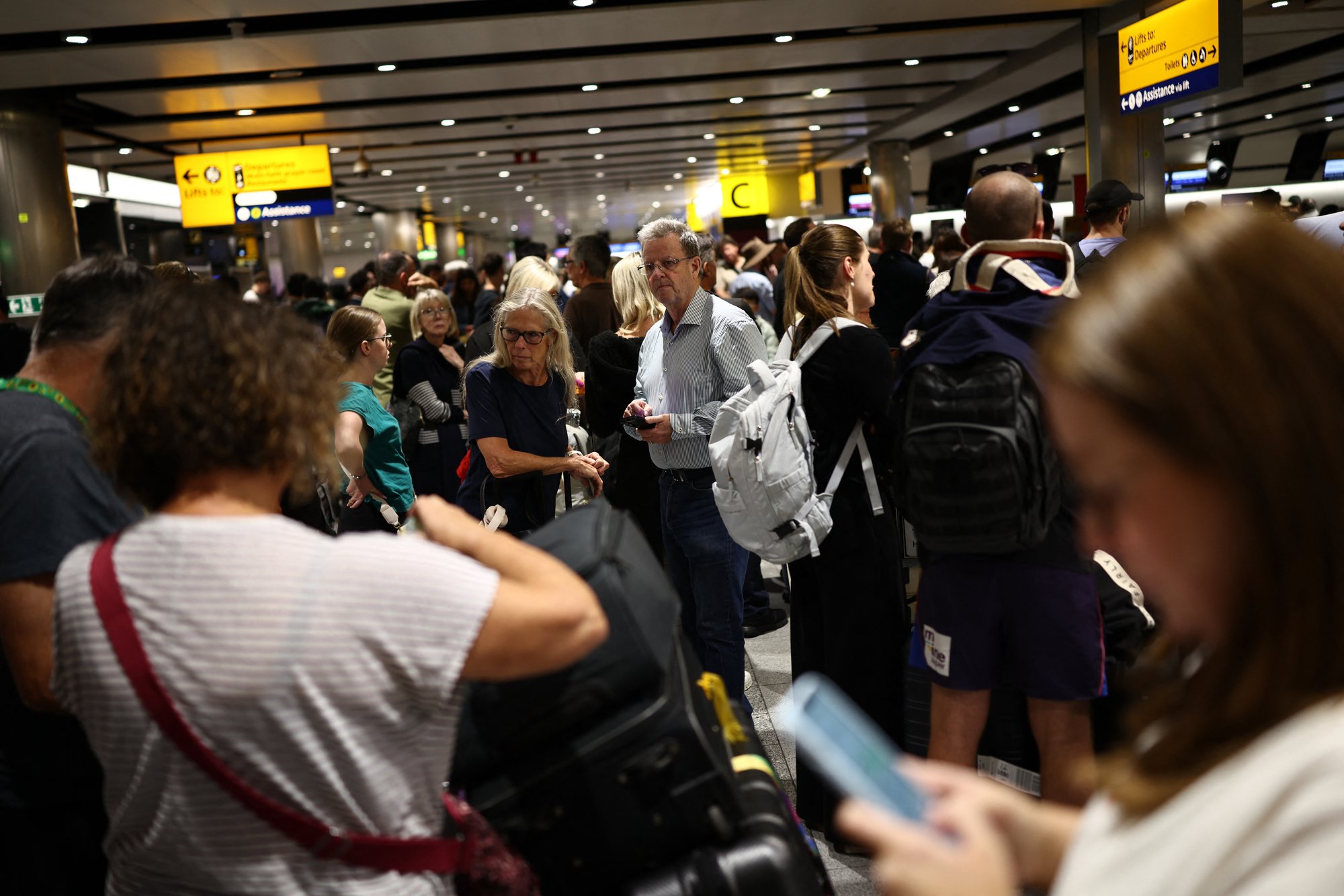
The central flight processor that manages every aircraft passing through British airspace faces the prospect of becoming "unsupported" from 2030, with no guarantee it can be repaired if it fails. A breakdown could trigger a paralysis of the nation's commercial skies lasting days like that seen last week.
Known as the National Airspace System (Nas), the technology traces its roots to American systems created under the Federal Aviation Act of 1958. Britain adopted it during the 1970s, and it has been in continuous operation ever since.
One Nats insider compared the looming risk to owning equipment whose "manufacturer is no longer around and parts and knowledge aren't available. If it works, fine, but when it breaks, it's gone."
A senior air traffic control figure offered a simpler comparison, telling The Sunday Times: "All technology has a sunset date, after all."
The crisis engulfs Nats at a moment when its chief executive, Martin Rolfe, is battling to retain his position following a third IT systems collapse in as many years. A four-hour outage on Tuesday plunged airports across the country into chaos and Mr Rolfe is now required to deliver preliminary findings from an internal investigation to regulators this week.
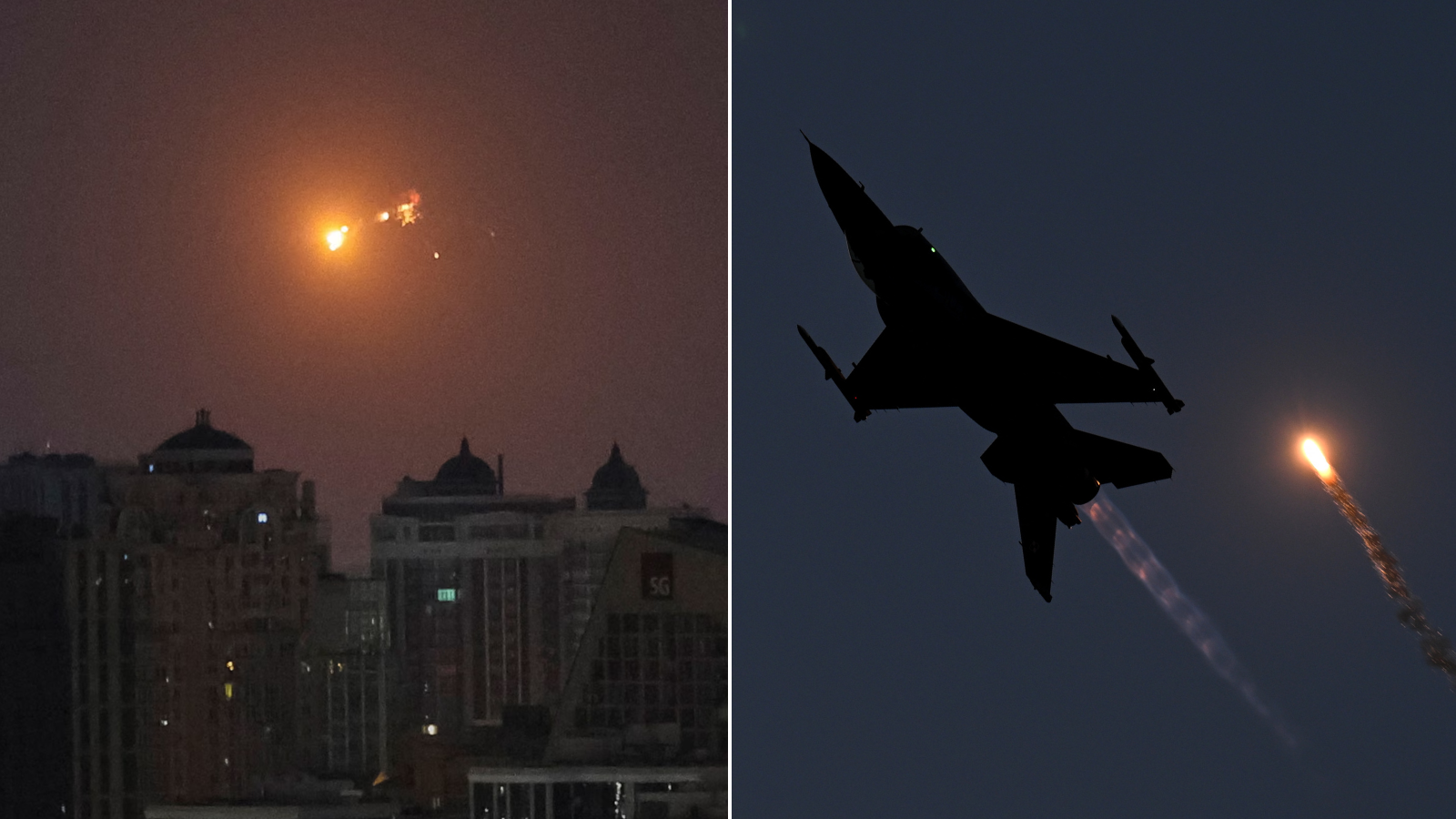
Reports have suggested a military aircraft's flight plan set off the chain of events behind the failure, although the Ministry of Defence has denied any fault on its part.
Rolfe has led the organisation — which is 49 per cent owned by British taxpayers — since 2015, accumulating £12.6million in pay and bonuses over that period.
"The buck stops with him," a Whitehall source said.

However, another senior industry figure cautioned removing Mr Rolfe would be unlikely to resolve the deeper problems afflicting Nats.
That same figure pointed to a bonus culture deeply embedded within an organisation half-owned by the UK government. Roughly 400 senior managers belong to a "personal contract group" that awards bonuses tied to reductions in flight delays, financial performance and individual objectives.
Against the group-wide metrics, these managers secured close to 90 per cent of the maximum bonus available to them.
Nats declines to disclose bonus figures in monetary terms, offering no further breakdown beyond aggregate data. Across the company's entire workforce of 5,076 employees — spanning executives through to cleaning staff — average annual remuneration stands at £115,000.
LATEST DEVELOPMENTS
- Air traffic control boss given ultimatum over travel chaos as organisation warned against ‘marking own homework’
- Hundreds of thousands of Britons may NOT receive compensation despite hours of air travel delays
- UK's air traffic control chief on the brink as Ryanair calls for him to be sacked – airport chaos to last for DAYS

The opacity around pay has drawn scrutiny given taxpayers hold a near-majority stake in the organisation, yet have limited visibility over how performance-related rewards are calculated and distributed.
Airlines are incandescent they cannot recover costs running into tens of millions of pounds after roughly 2,000 flights were scrapped in the wake of what Nats described as a "technical glitch".
A comparable failure in 2023 left carriers facing a £65million bill and industry figures anticipate similar losses this time around.
Under Nats' regulatory framework, only the Civil Aviation Authority can impose penalties — and crucially, fines apply solely to delayed flights, not cancellations. Airline sources warned this structure risked creating a perverse incentive for Nats to allow disruptions to drag on, converting delays into cancellations and thereby reducing its financial exposure.
"The underlying model whereby carriers are liable for mistakes outside their control needs to be on the table," Tim Alderslade, chief executive of Airlines, commented. "Industry is looking for accountability and a resilience and systems plan that will stand up to scrutiny."
The effort to replace the ageing Nas began in the 1990s. After protracted negotiations, technology from the Spanish company Indra was due to go live in 2015 — a deadline subsequently pushed to 2021, then to 2030. Nats has now confirmed there is no formal adoption date, with one company insider suggesting the switchover is unlikely before well into the 2030s.
Airlines have blamed the repeated delays on Nats prioritising shareholder returns over investment. Dividend payments averaged £54million a year across the eleven years to 2020, before more than doubling to £124million annually over the subsequent two and a half years — a total of £309 million.
Air traffic control specialists dispute that characterisation, noting replacing a decades-old processor is extraordinarily complex. Rolfe himself has compared the challenge to "like trying to change the wheels on an F1 car while driving down the home straight at full speed".
Nats has pushed back against the suggestion its systems would become irreparable after 2030.
A spokesman said the organisation had "comprehensive plans to ensure our systems remain safe and appropriately supported for as long as they are required," adding more than £1billion had been spent on technology investment over the past decade.
The spokesman stressed modernising safety-critical national infrastructure that operates around the clock, every day of the year, "cannot simply be switched off while a new system is installed" and changes must be introduced in carefully managed stages with thorough testing before entering live operation.
Our Standards: The GB News Editorial Charter
What's Your Reaction?
 Like
0
Like
0
 Dislike
0
Dislike
0
 Love
0
Love
0
 Funny
0
Funny
0
 Angry
0
Angry
0
 Sad
0
Sad
0
 Wow
0
Wow
0