























Labour issued warning over future of UK's £7billion electric car battery industry

A new report has found that more than £7billion has been committed to electric vehicle battery projects across the UK, as experts call for EV policy certainty.
The UK hosts more than a dozen commercial battery projects from Cornwall to Sunderland, all of which have been backed by £7billion in funding.
Commercial projects include lithium extraction and chemical refining, large-scale cell gigafactories, cutting-edge materials science, and next-generation hydrometallurgical battery recycling.
The report, entitled "The UK's EV Battery Economy: A strategic review of the UK's battery manufacturing sector", emphasised that the nation has created one of Europe's most diverse battery ecosystems.
Gigafactories have a potential capacity of 55 GWh, while forecasts suggest that the UK battery economy already generates £ 4.2 billion in annual turnover.
It also acts as a key employer across the country, supporting more than 10,000 direct manufacturing and engineering jobs, with this likely to grow further in the coming years.
The report, authored by New AutoMotive's Ciara Cook and Ben Nelmes, identifies that gigafactories will act as a crucial part of the supply chain, headlined by the Somerset gigafactory, which is set to open late next year.
It will have an initial capacity of around 15 GWh, with owner Agratas hoping to expand this to produce 40 GWh at the site near Bridgwater.

The £4billion project announced this week that it would dramatically increase the number of construction workers at the site as it moves into the next phase of development.
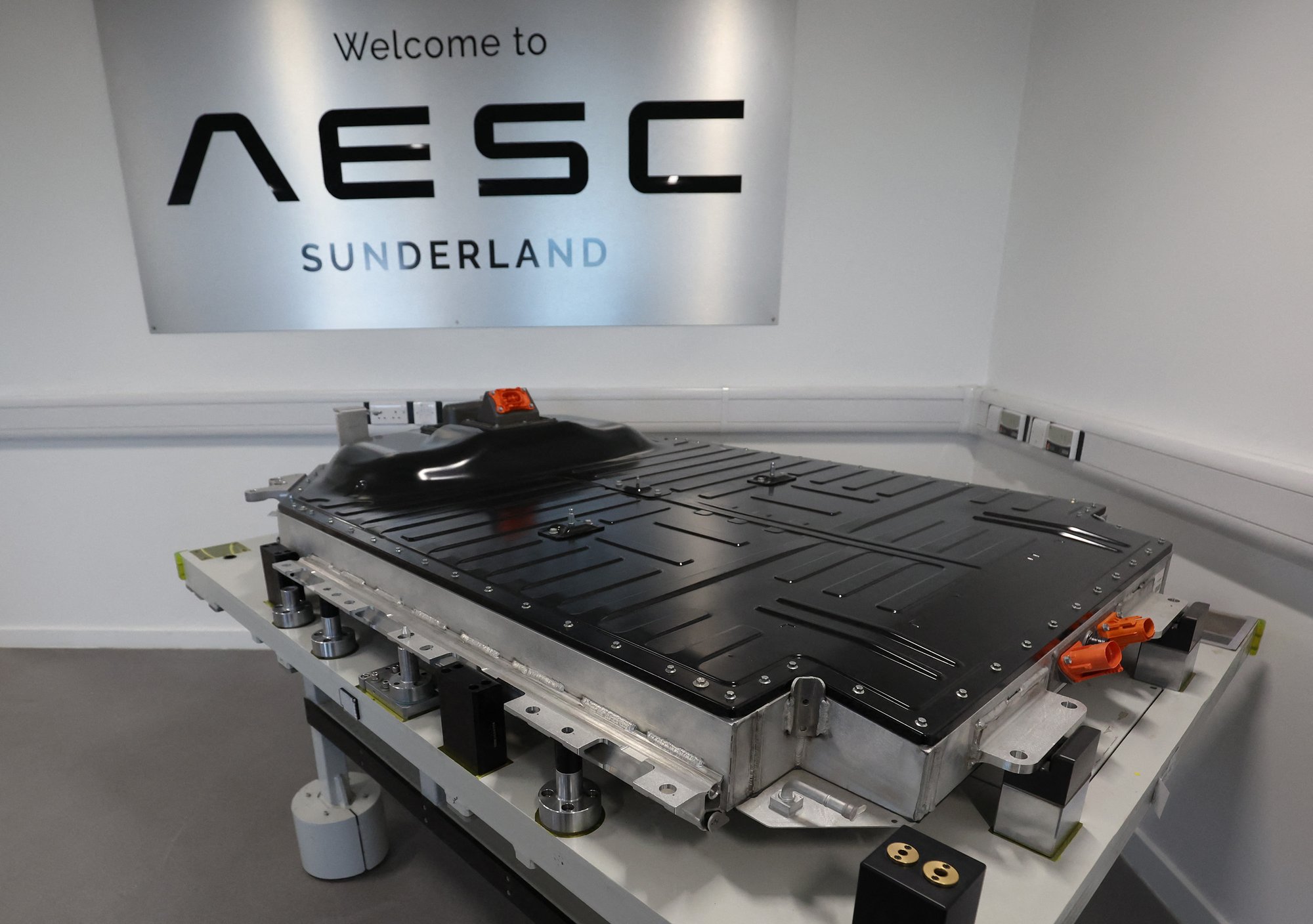
Another gigafactory, AESC's Sunderland facility, has a total planned capacity of 15.8 GWh, which is around 14 per cent of the projected demand in 2035.
The Zero Emission Vehicle mandate will increase battery demand to around 115 GWh a year by 2035, leaving a gap of around 55 GWh under current plans, the report noted.
Ben Nelmes, CEO of New AutoMotive, and one of the authors of the paper, said the UK was in good standing with its battery supply chain, which would drive industry into the future.
LATEST DEVELOPMENTS
- London's iconic black cab taxis set for major overhaul next year
- Drivers urged to make 'common sense' number plate change to boost value of used cars
- Major car brand invests £500million to secure UK future and create 1,000 new jobs

However, he warned the Government that investment could stagnate if changes are made to long-established electric vehicle policies.
Labour recently launched a consultation that could have a massive impact on the future of the ZEV mandate. It proposed reducing the percentage of EV sales by 2030 from 80 per cent to as little as 50 per cent.
Mr Nelmes said: "Delaying or diluting the EV transition now would directly undermine investor confidence, putting those billions of pounds, thousands of skilled jobs, and our broader competitive edge at risk.
"Businesses need a stable, long-term policy framework to build these factories and secure Britain's role as a leader in the global clean energy transition."

The report outlined key measures that would support the UK's battery manufacturing industry, including providing certainty to the ZEV mandate.
One of the biggest complaints from automotive businesses in the UK is the price of energy, with Nissan admitting that its Sunderland plant had some of the highest costs of any of its facilities around the world.
New AutoMotive calls for the British Industrial Competitiveness Scheme to be implemented in April 2027 to lower power costs by £35 to £40 per MWh for energy-intensive battery chemical refiners.
It also backed the introduction of a minister and a negotiating taskforce to engage with cell manufacturers from around the world to guarantee tenancy for Coventry's massive 60 GWh GreenPower Park.
Our Standards: The GB News Editorial Charter
What's Your Reaction?
 Like
0
Like
0
 Dislike
0
Dislike
0
 Love
0
Love
0
 Funny
0
Funny
0
 Angry
0
Angry
0
 Sad
0
Sad
0
 Wow
0
Wow
0