















Labour sends £655 MILLION to Angola for 'key infrastructure' as UK borrowing costs surge

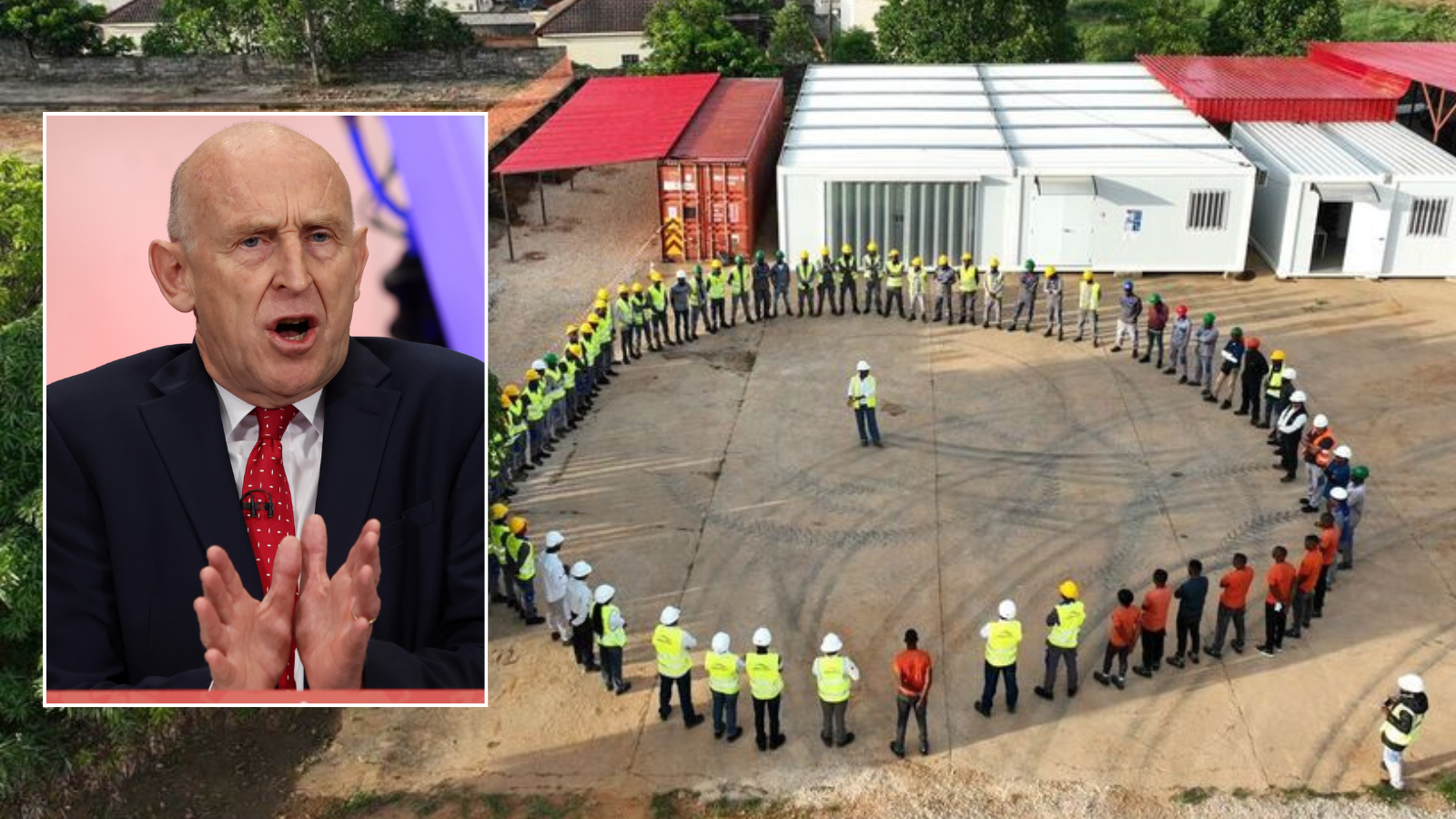
The UK is issuing a whopping £655million to support four major infrastructure projects in Angola, despite Britain's borrowing costs rocketing to levels not witnessed in decades.
UK Export Finance (UKEF), the UK’s export credit agency, is backing projects ranging from the construction of a new international airport to major road and electricity infrastructure developments in the central-African country.
The deals are justified on the grounds of strengthening economic ties between the UK and Angola, while supporting jobs and growth across Britain with £167million in export opportunities for British businesses.
The Government claim the financing will help British contractors, engineers, manufacturers and suppliers provide expertise, goods and services for projects designed to improve Angola’s transport connectivity and power infrastructure.
The investment comes as Chancellor John Healey's plans for his first Budget may be upended, potentially forcing him to convert the fiscal event into an emergency package of spending cuts and tax rises.
The sell-off in UK debt has been particularly severe, raising fears that Mr Healey will need to take drastic action to rein in the country's swelling debt burden.
In February 2025, the Government originally said it would reduce UK aid spending from around 0.5 per cent of gross national income to 0.3 per cent by 2027.
The reduction is intended to fund an increase in defence and security spending – an area which has long been neglected by successive governments, and forced Mr Healy to abandon his former post as defence secretary over an egregious lack of funding.

The Government expects the aid reduction to provide £500million for defence in 2025/26, £4.8billion in 2026/27, and £6.5billion in 2027/28.
Amid controversy over foreign aid, Business, Innovation, Science and Trade Secretary Jonathan Reynolds said the support for Angola would help British companies compete internationally and showcase the UK’s strengths in infrastructure, engineering and construction.
“From a new international airport to a major road, these projects will strengthen the UK-Angola partnership,” Mr Reynolds said, adding that the programme would help create jobs across Britain.
The largest project is the £371 million Cabinda International Airport development.
LATEST DEVELOPMENTS
- John Healey could be forced into 'emergency Budget' as borrowing costs hit decades-high levels
- UK economy beats expectations with surprise 0.4% growth
- DWP announces major benefits shake-up to save taxpayers £1.9billion
Delivered by the Innovo Group, the new airport is expected to support 830 local jobs during construction, with UK suppliers working as subcontractors to a UK-based project developer.
UKEF is also providing £73million for the rehabilitation of the Camama-Viana Road in Luanda Province, with the project intended to ease traffic congestion with stormwater drainage, pavement construction and major drainage works.
It is being delivered by MCA Group and forms part of Angola’s national infrastructure priorities.
A further £93 million is supporting the Uíge Electrification Project, which is being delivered by Elecnor.

The scheme involves the construction of transmission lines, substations and associated infrastructure, creating 5,000 domestic electricity connections and public lighting.
It is expected to reduce reliance on diesel generators while improving the reliability and sustainability of electricity supplies.
The fourth project, the £118million Huambo Transmission Line, will expand Angola’s national electricity grid.
Also being built by Elecnor, the high-voltage line will connect Belém do Dango in Huambo Province with Lomaum in Benguela Province – designed to strengthen power distribution, facilitate renewable energy transmission and support a more sustainable electricity system.
UKEF chief executive Tim Reid said Angola was pursuing an ambitious infrastructure programme, and that British exporters should play a central role in delivering it.
“These key infrastructure projects will improve transport links and electrification in the country while boosting UK business and supporting jobs,” Mr Reid said.
Since 2018, UKEF has provided more than £2 billion in cumulative support for projects spanning healthcare, power, water, agriculture and transport infrastructure.
UKEF has set a target of backing £10 billion of finance in low- and middle-income countries by 2029, with a focus on sustainable infrastructure, clean growth and economic development while securing export opportunities for UK businesses.
Our Standards: The GB News Editorial Charter
What's Your Reaction?
 Like
0
Like
0
 Dislike
0
Dislike
0
 Love
0
Love
0
 Funny
0
Funny
0
 Angry
0
Angry
0
 Sad
0
Sad
0
 Wow
0
Wow
0