











British taxpayers forced to pay 'second mortgage' just to cover UK's ballooning debt
British taxpayers have been forced to pay the equivalent of a "second mortgage" just to cover its ballooning national debt.
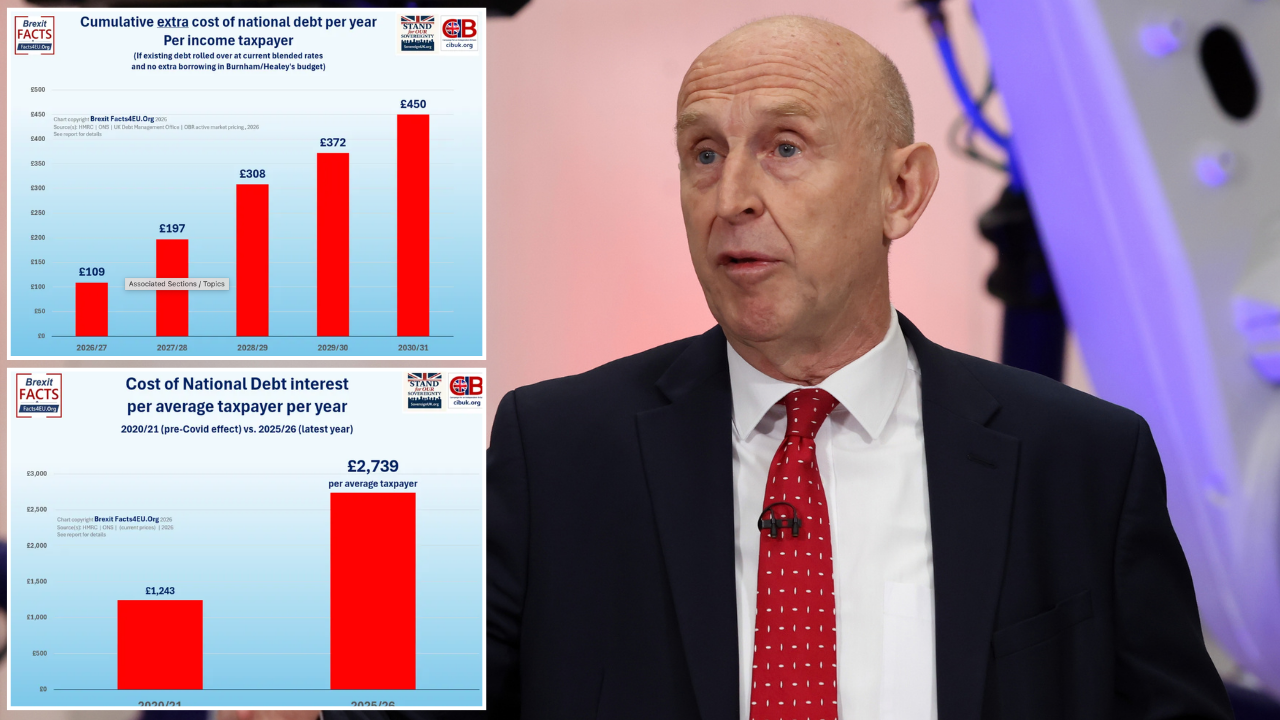
Now, the annual bill is set to rise by as much as £450 per person per year due to existing debts being "rolled over" at high interest rates.
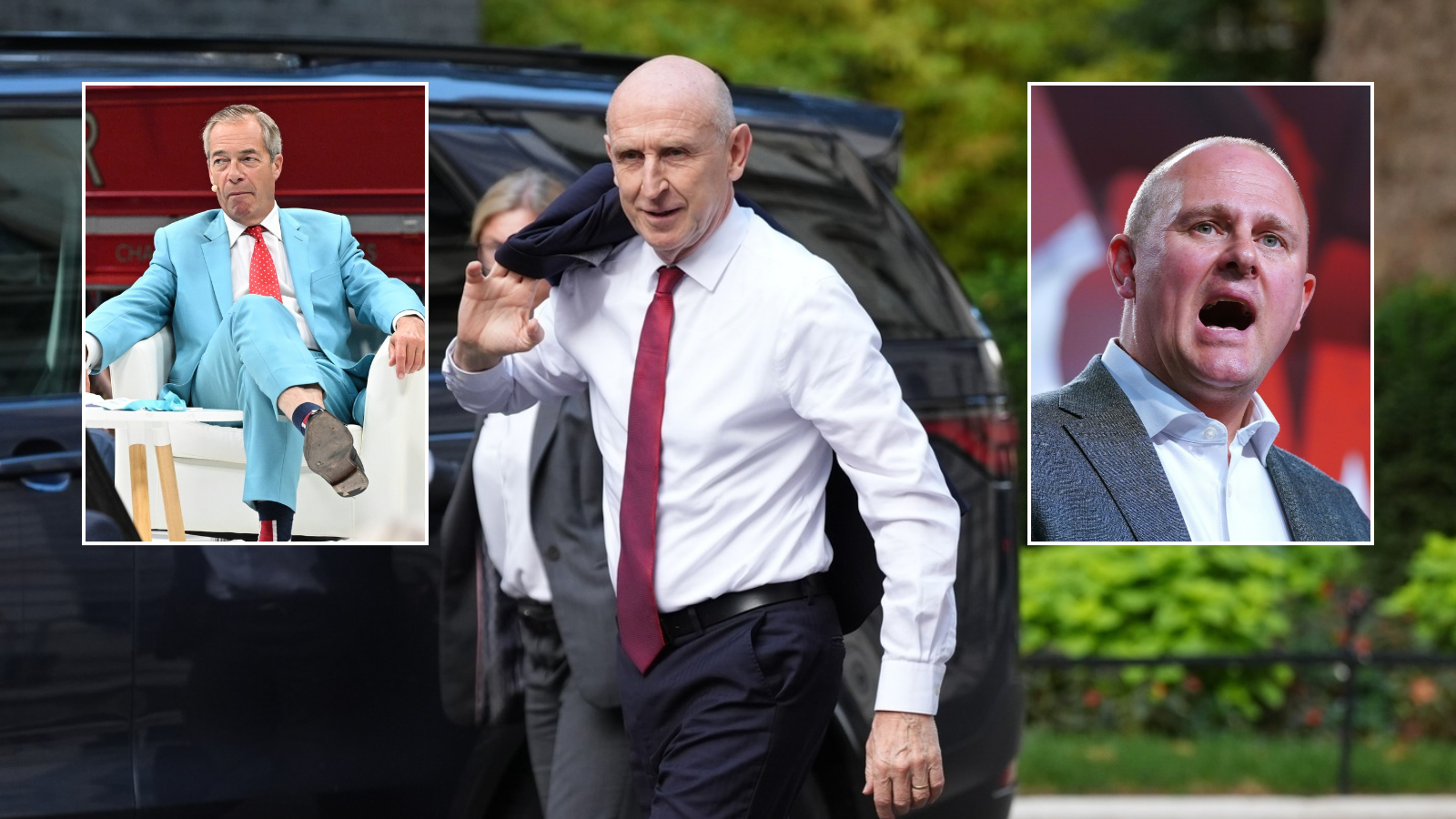
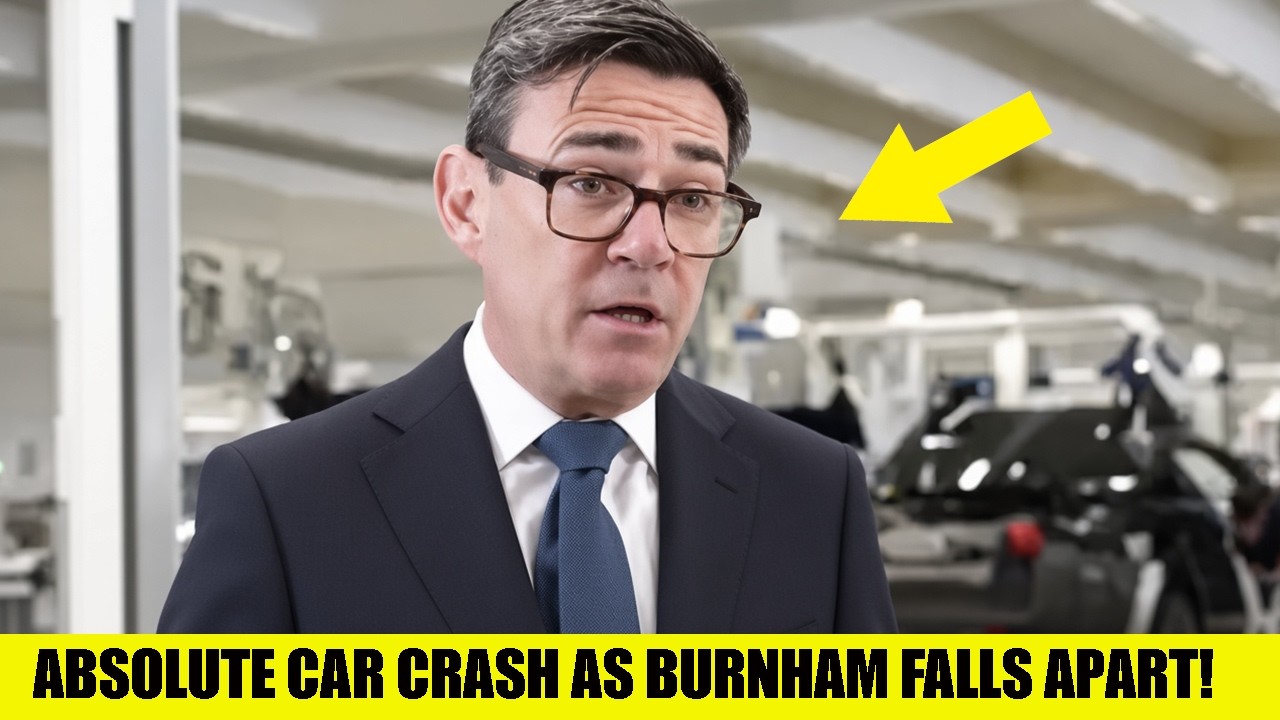
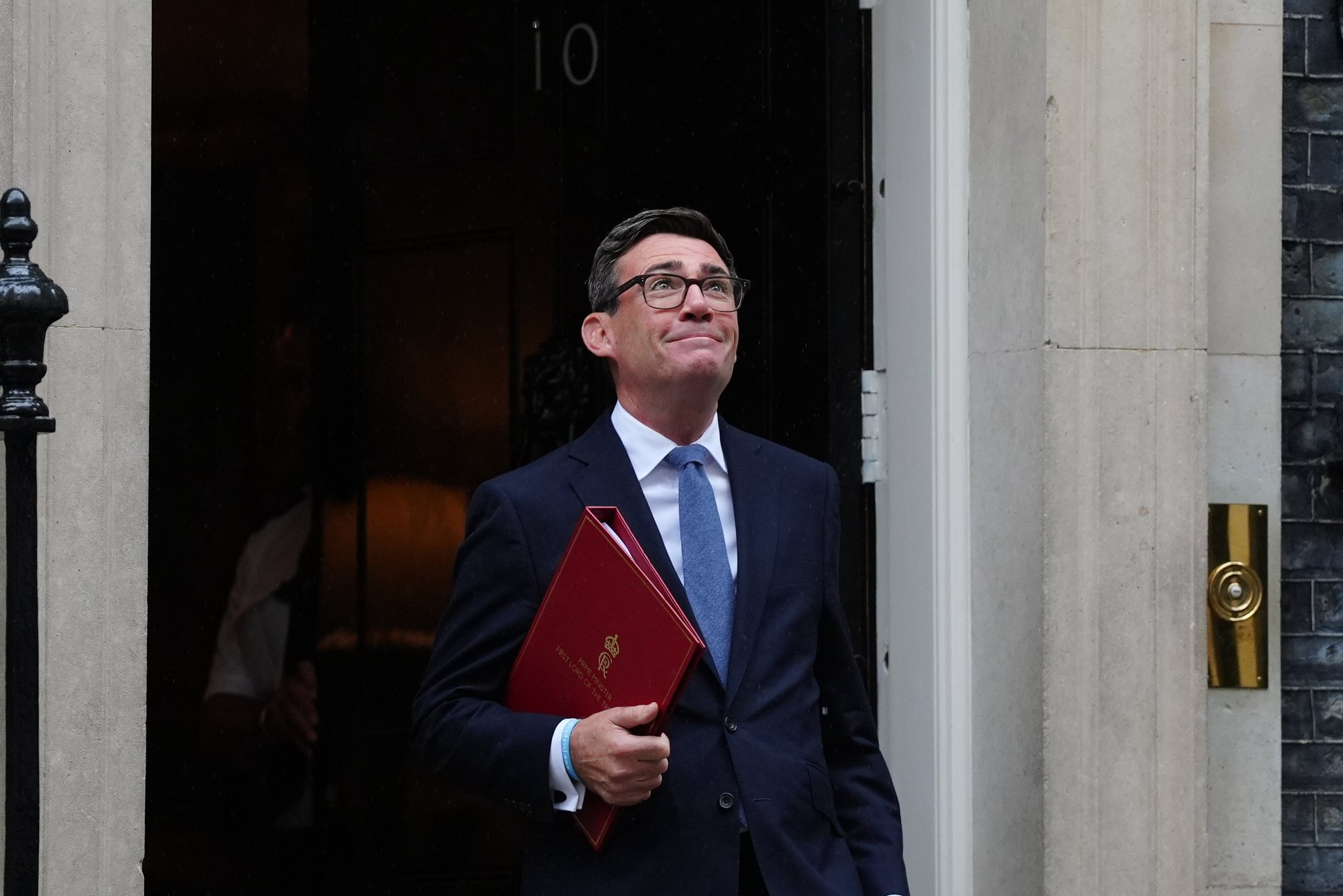
Concerns over the national debt have been raised before Andy Burnham and John Healey's first autumn budget.
A new report from Facts4EU, in collaboration with Stand for Our Sovereignty and The Campaign for an Independent Britain (CIBUK.Org), has illustrated how much the national debt has cost taxpayers in two simple but startling charts.
In the year from 2020 to 2021, taxpayers were made to spend £1,243 to pay down national debt interest.
But in the year from 2025 to 2026, Britons will be made to spend, on average, £2,739 - more than double the sum from five years ago.
This is even as the number of taxpayers has increased to 39.8 million, spreading the national debt interest across a much larger number of people.
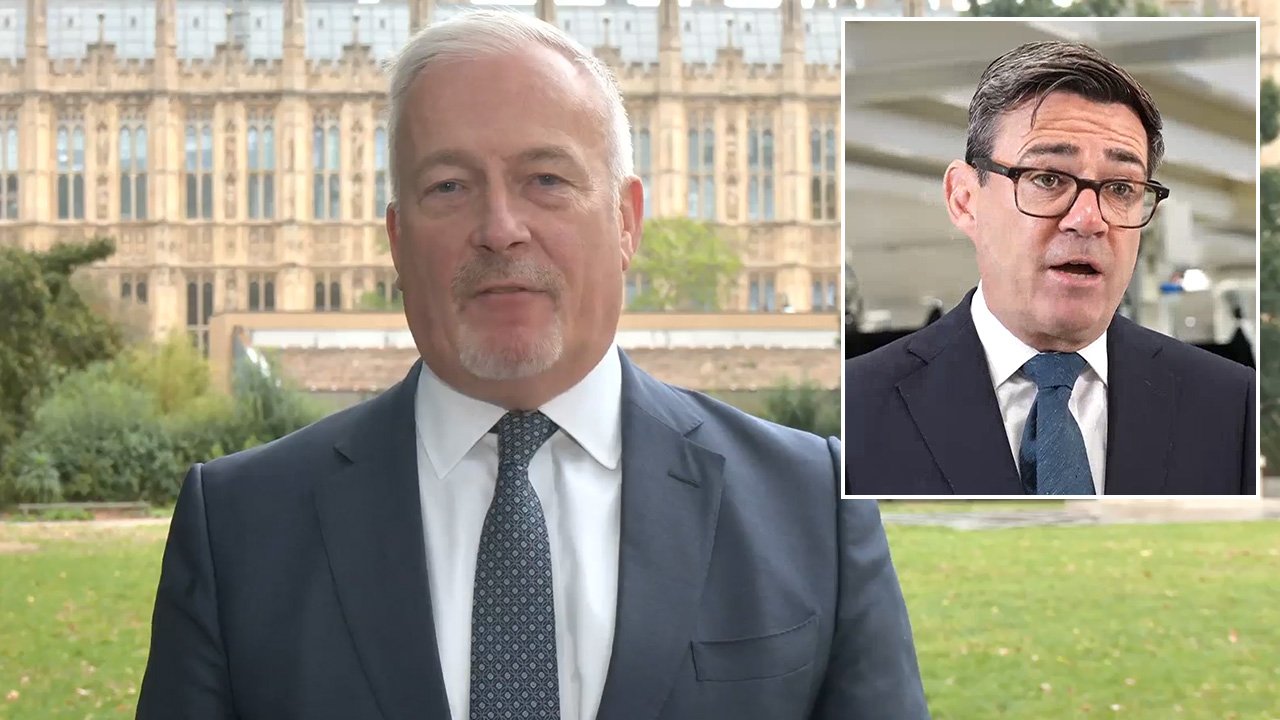
Andrew Griffith, who is set to make his first major speech as Shadow Chancellor today, said the Government was already mishandling Britain's finances.

He told GB News: "Labour inherited a large national debt and immediately set about making it much worse.
"The lack of credible plans to cut spending mean interest payments - already twice the defence budget - are far higher than they should be.
"The Conservatives are the only party who will tackle out of control welfare and restore the nation's finances."
Mr Griffith has more than 25 years of experience working in private sector business - more than all of Labour's Cabinet combined.
LATEST DEVELOPMENTS
- Labour MP forced to apologise after calling for British 'military action' against Israel
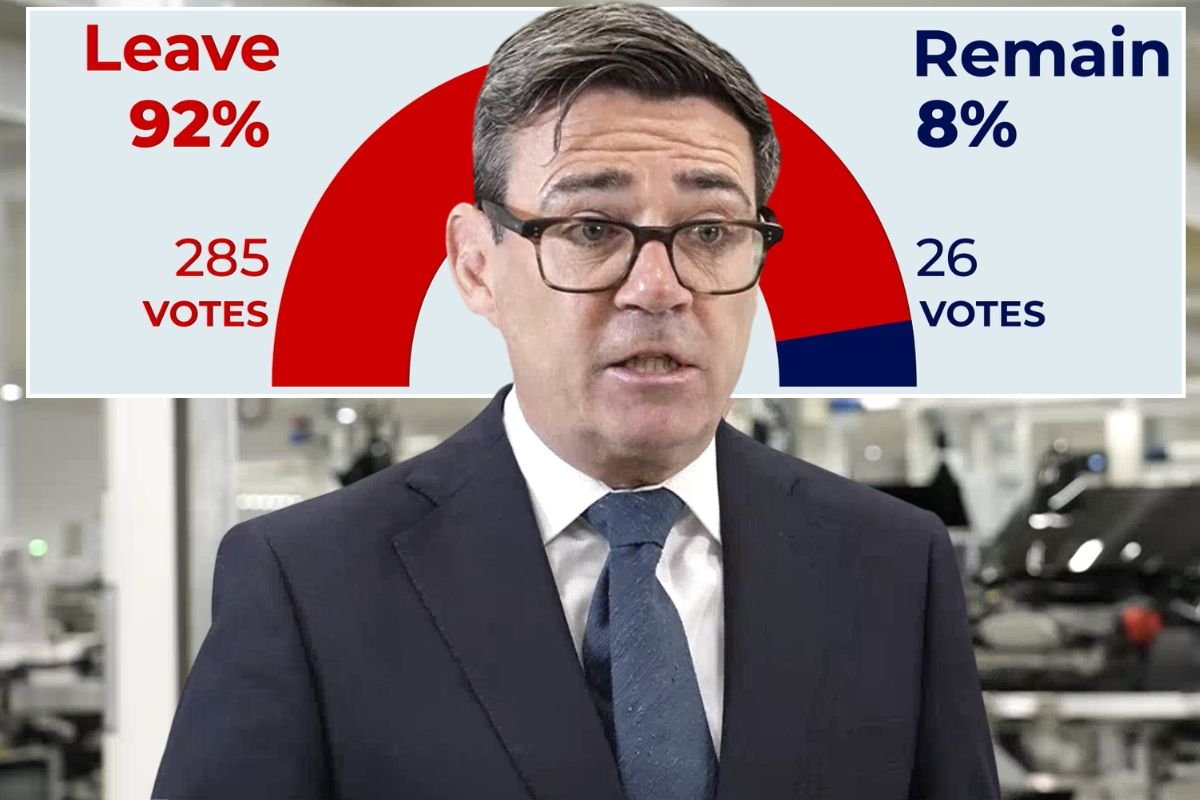
- Andy Burnham responds to Piddington voting to leave UK over Labour's plan to house 1,250 migrants
- Britain pleads with Donald Trump's America for help on how to fight 'radical right'

Unlike a personal credit card debt, a governmental national debt is almost never paid off, instead being managed through bonds being issued to the markets, which are then used to pay off the loan to previous investors.
Lord Redwood, former Secretary of State, told GB News: "It is bad enough having to pay the interest on your own mortgage, and gradually repay the debt.
"With a spendthrift government you also have to shoulder part of the burden of the great state mortgage taken out in all our names.
"Worse still the government is not gradually repaying this mortgage, but every year borrows more. Next year they plan to add another £3,600 to the debt for the average taxpayer.
"This will mean more taxes to pay all the interest on that debt, and a growing annual bill for each of us to sustain the government's debt addiction.
"The bond markets which lend the government all this money, now more than £3,000 billion, are getting nervous about the country's ability to pay all the interest and to meet its commitments, so they are now charging the government ever higher interest rates to borrow."
The Government took out loans when the interest rate was half what it is today.
Issuing new bonds now effectively double the interest that must be paid as the economy sees the UK as a worse risk under Mr Burnham.
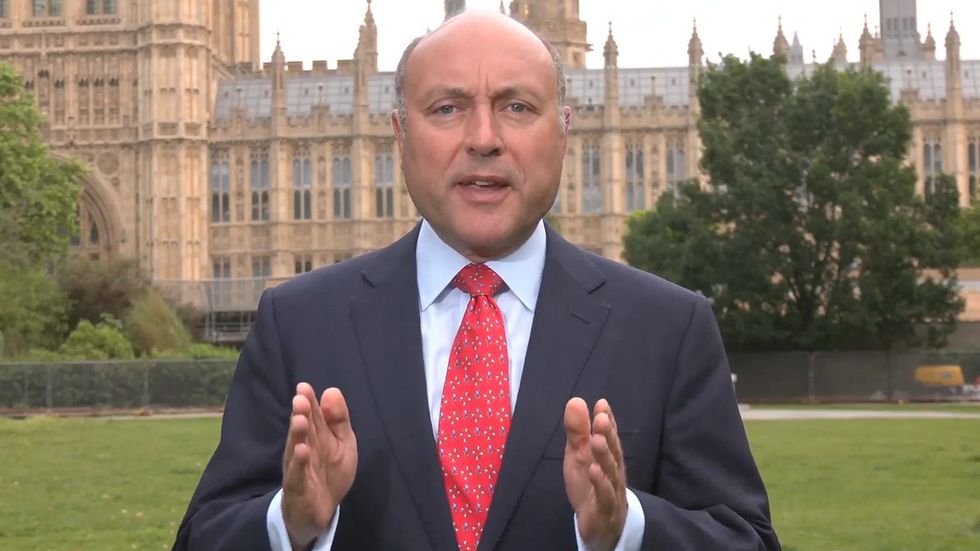
Labour has unveiled a slate of new policies aimed at easing the cost of living, but how they will be funded still remains unclear.
Former Bank of England chief economist Andy Haldane said the market now sees the Prime Minister as a "traditional tax-and-spend socialist government with better TikTok videos".
Mr Burnham rejected the assertion, saying: "We are not that already … It’s not the case that we aren't going to take difficult decisions."
A Treasury spokesman told the People's Channel: "The OBR’s March forecast shows that debt will be falling as a share of GDP a year earlier than required by the fiscal rules, and will be lower at the end of the forecast period than at Spring Forecast.

"Fiscal discipline is the bedrock of economic stability and national security. The Chancellor and Prime Minister are in lockstep that the Government will meet the fiscal rules – and that includes getting debt down.”
Ahead of the Budget, the Chancellor set out five priorities - Fiscal discipline, growth in every postcode, backing Britain via benefits, apprenticeships and jobs, wealth creation and affordability.
However, last Tuesday saw the Debt Management Office issue £4.25bn of a 30-year gilt at a yield of 5.82 per cent - the highest auction rate since 1998 - meaning government had to borrow more than £4 billion from the world's markets at the highest interest rate in over 25 years.
Lord Redwood concluded: “The UK is now in a doom loop. The government borrows more money, the market charges us a higher interest rate, the government then needs to borrow more money to pay the extra interest.

“We are going bust slowly and one day we might find the debt is no longer affordable. In the 1970s a Labour government overspent, over-borrowed, and had to start cutting spending in order to be able to borrow some more.
"This government is having to borrow at much higher rates than its old debts it has to repay when they fall due, burdening taxpayers with more interest bills just to maintain current high debt levels.
“They then compound the problem by borrowing more to spend more. This drives up interest rates. Taxpayers suffer the double whammy of more debt to pay interest on, and higher rates of interest on the original and the new debt.”
Our Standards: The GB News Editorial Charter
What's Your Reaction?
 Like
0
Like
0
 Dislike
0
Dislike
0
 Love
0
Love
0
 Funny
0
Funny
0
 Angry
0
Angry
0
 Sad
0
Sad
0
 Wow
0
Wow
0